ML engineer, Astana
Alima
Bazenova
From biology to computer vision.
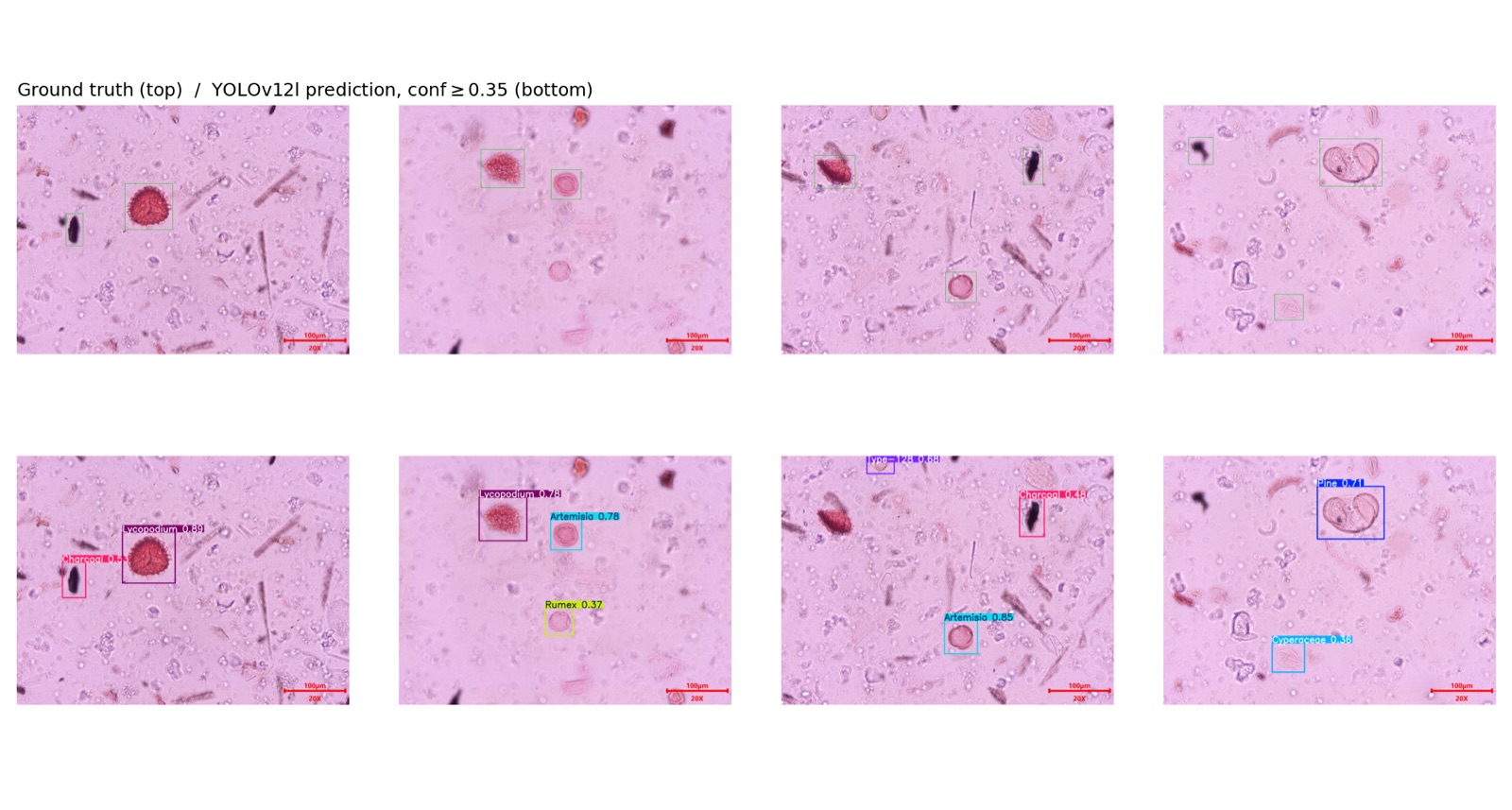
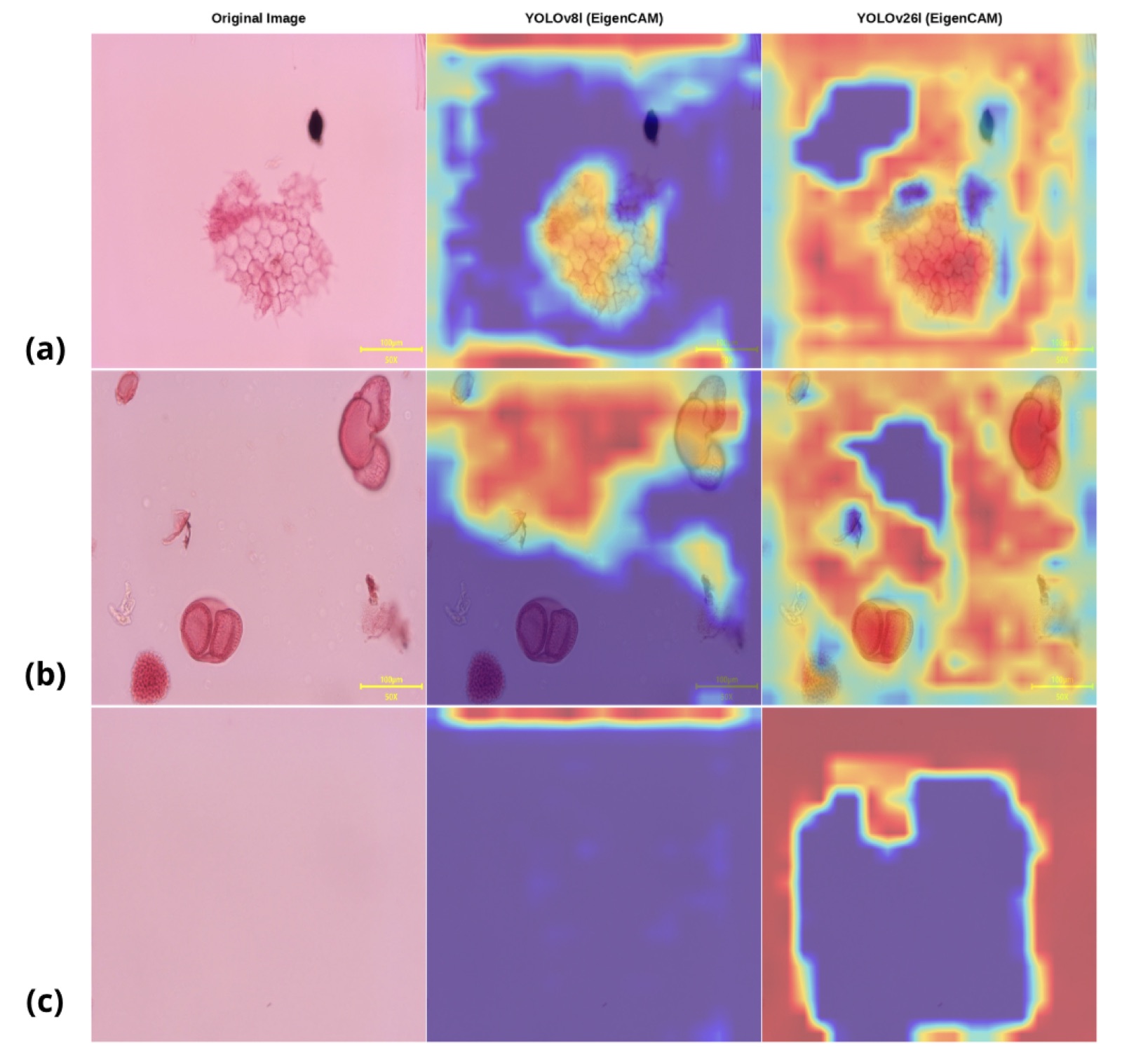
- MicroscopyLive fossil-pollen detection on an automated microscope
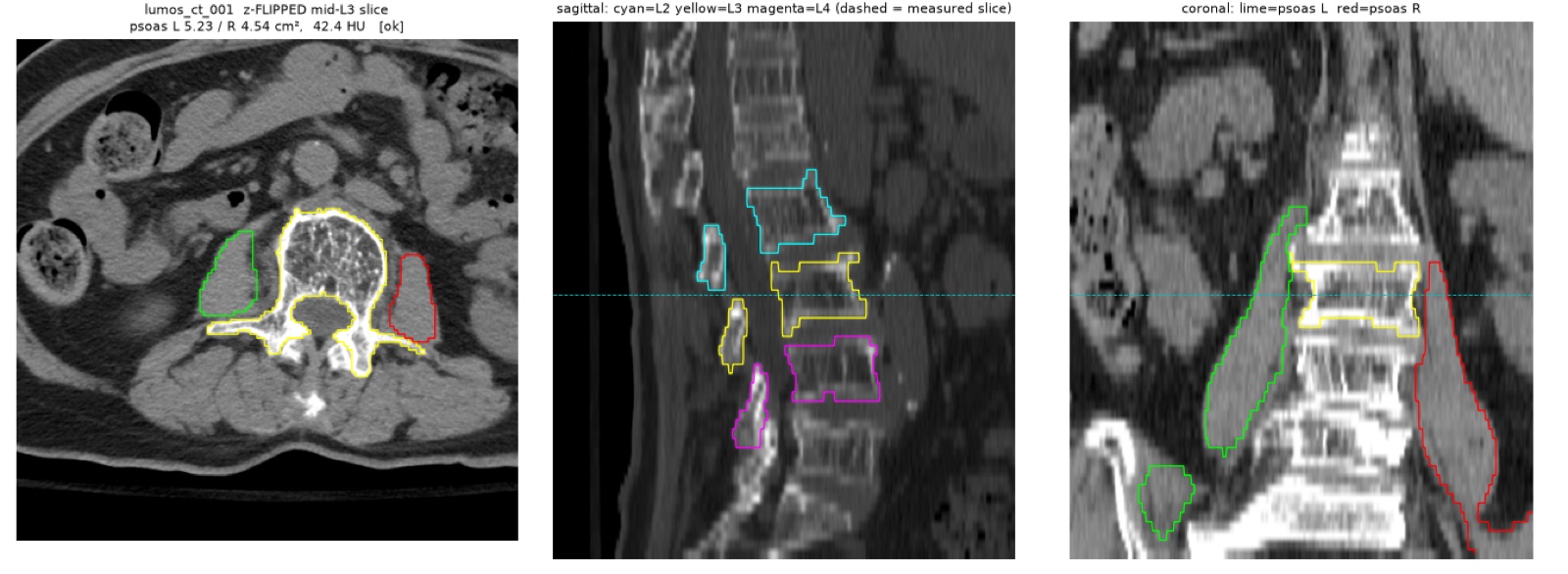
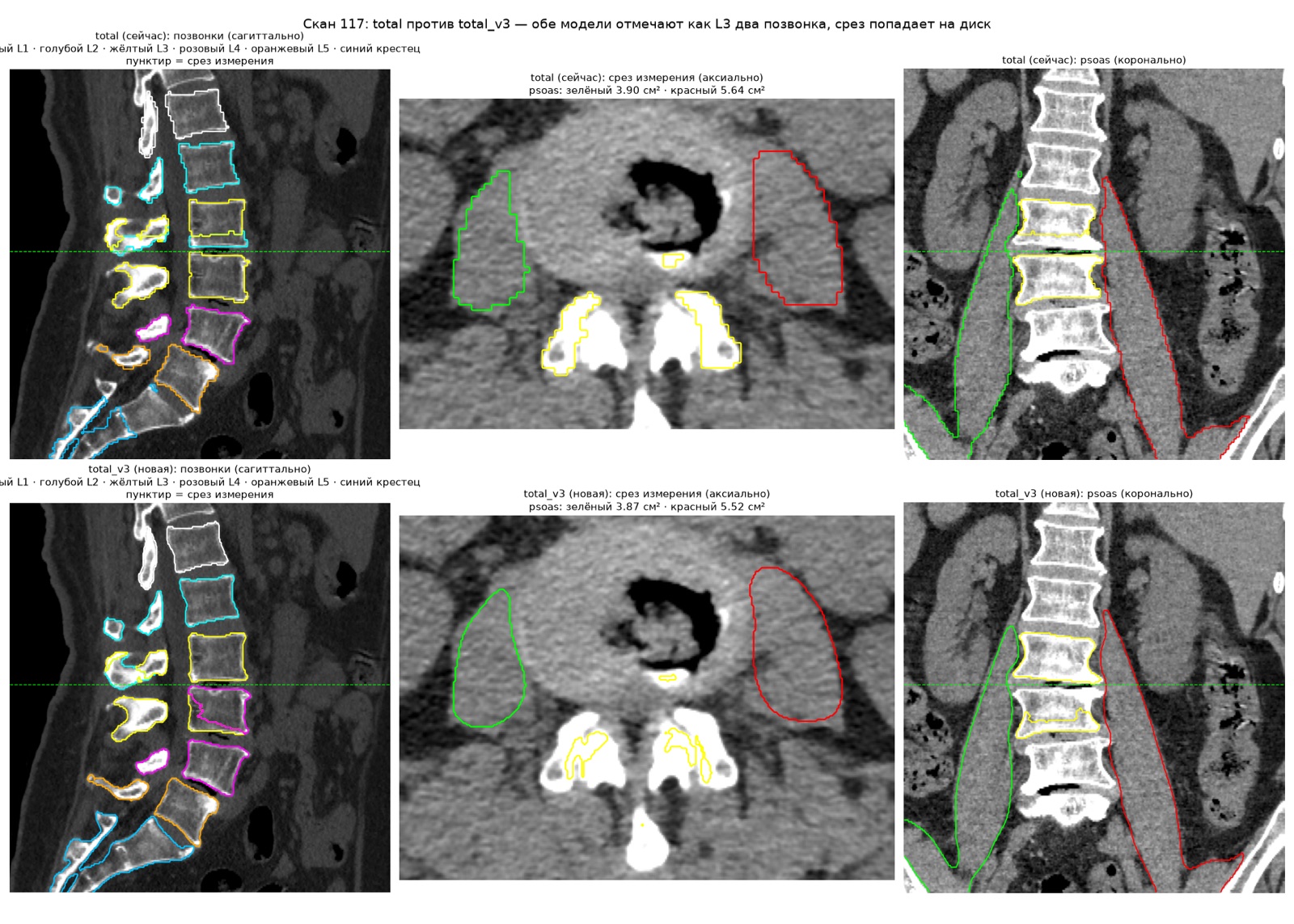
- Medical CTVertebra & muscle segmentation for osteoporosis screening
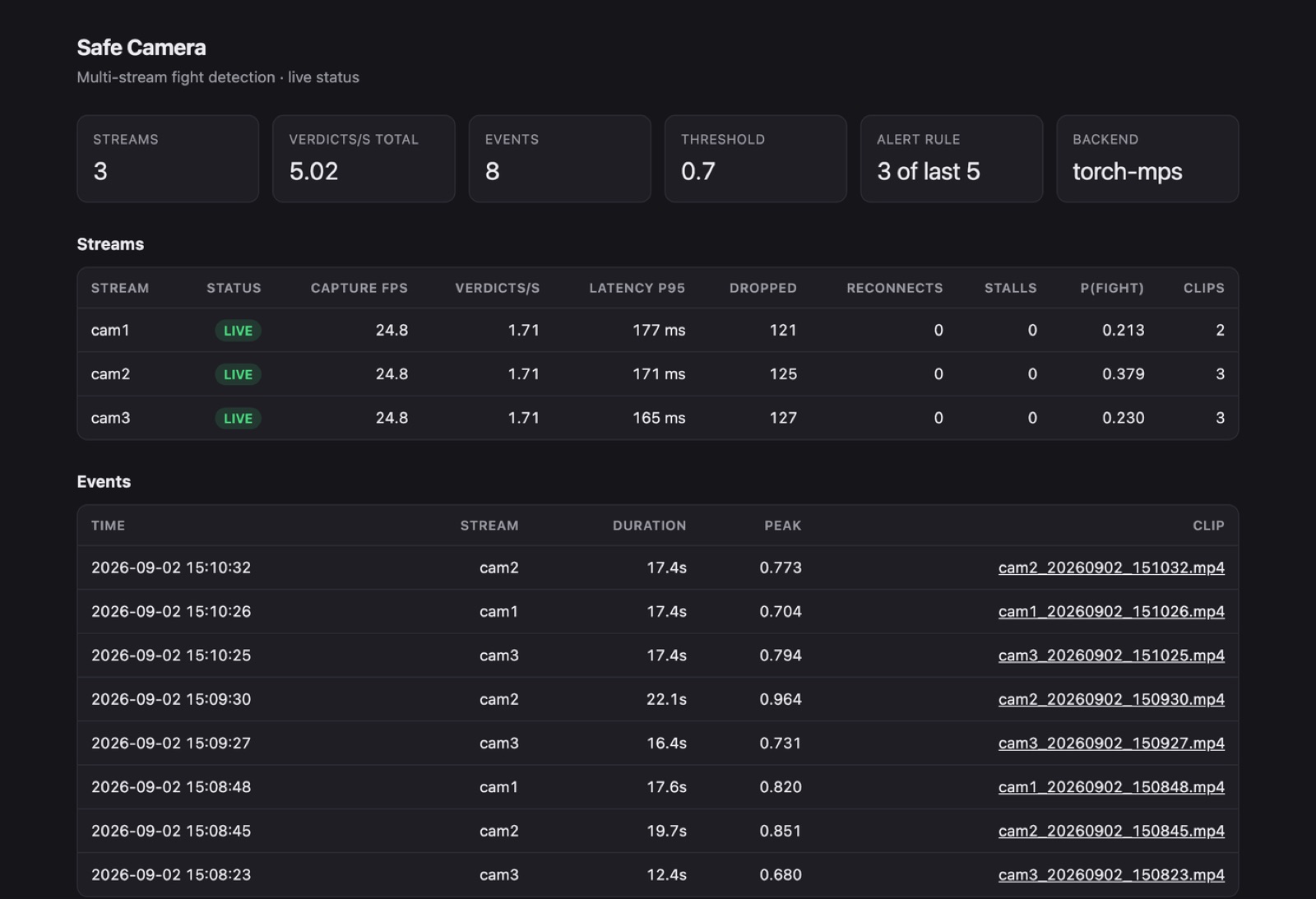
- VideoReal-time behaviour recognition across camera streams
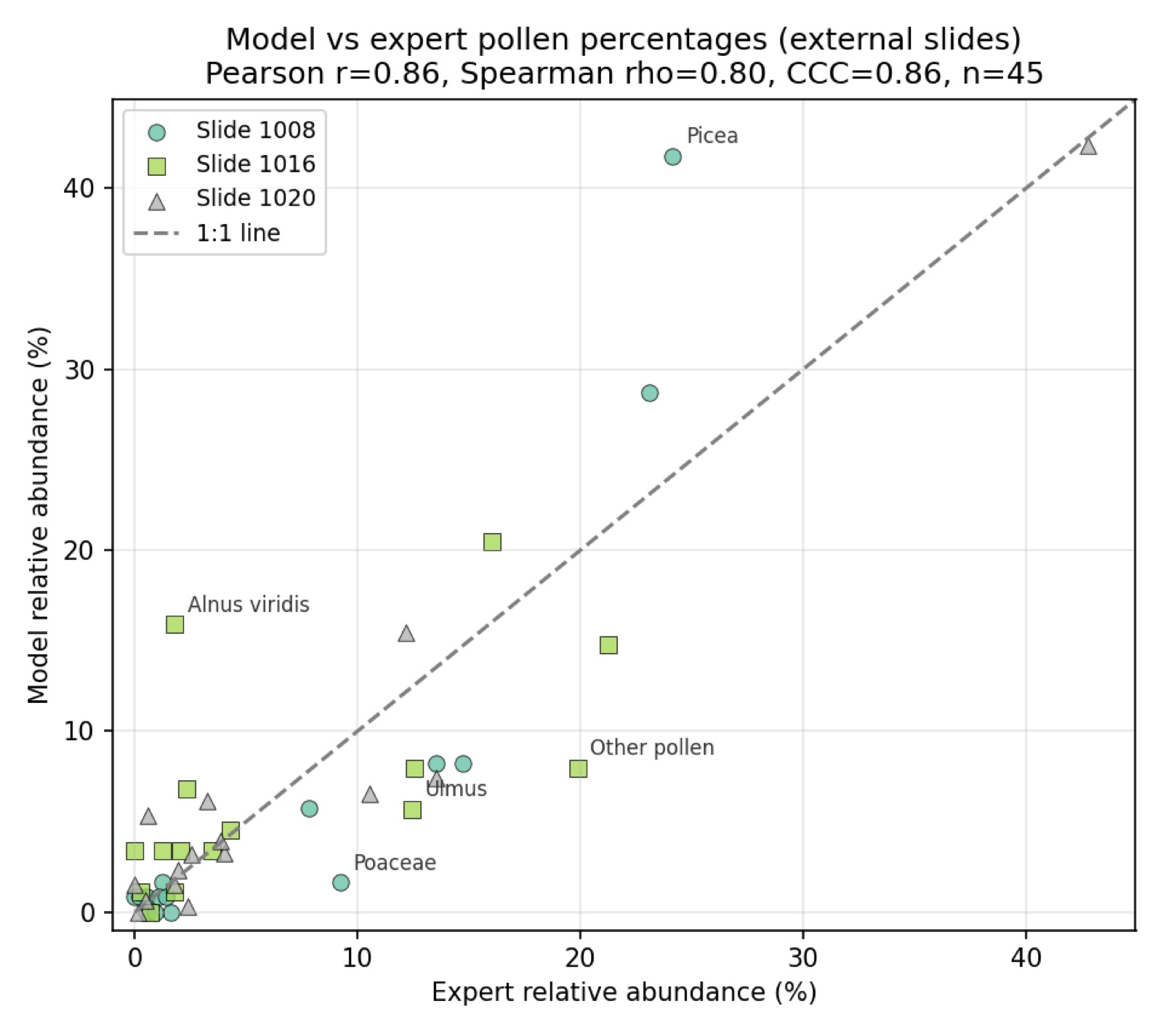
- EvaluationValidated against experts, not just benchmarks
 person 0.99
Bazenova
drag the badge
Why a biologist
builds vision models.
I studied biology, so I spent a lot of time in labs, looking through microscopes and counting things by hand. For my master's in Budapest I joined a palaeoecology group. They count fossil pollen grain by grain to find out what the climate was like thousands of years ago. One slide can take hours. I kept thinking a model could do the counting, and the expert could spend that time on the real science.
So I built it. A microscope that moves the slide by itself, and a detector that finds the pollen while it scans. That's how I got into computer vision. Then I spent a summer at Green Eye working with video. Now I work with medical data and teach a model to read spine CT scans for signs of osteoporosis.
Starting in biology still helps. I know what the data looks like to the expert. And I don't trust a number until it matches what they see.
Selected work,
filed by case.
Where I've worked.
-
Aug 2026 — now
Research Assistant, AI for Clinical CT Imaging
School of Medicine, Nazarbayev University. Supervisor: Dr. Srinivasa Bolla
- Deep-learning pipeline for opportunistic osteoporosis and sarcopenia screening from routine lumbar-spine CT, linking L3 psoas biomarkers to DXA bone mineral density in 280 patients.
- Automated vertebra and psoas segmentation on a multi-vendor cohort (5 manufacturers): baseline mean Dice 0.89 against expert-corrected masks.
-
Sep 2025 — Jul 2026
Research Assistant, Automated Microscopy
Palaeoecology Research Group, Eötvös Loránd University. Supervisor: Dr. Enikő Magyari
- Automated microscope-scanning and live-detection workflow replacing manual slide counting (75% faster).
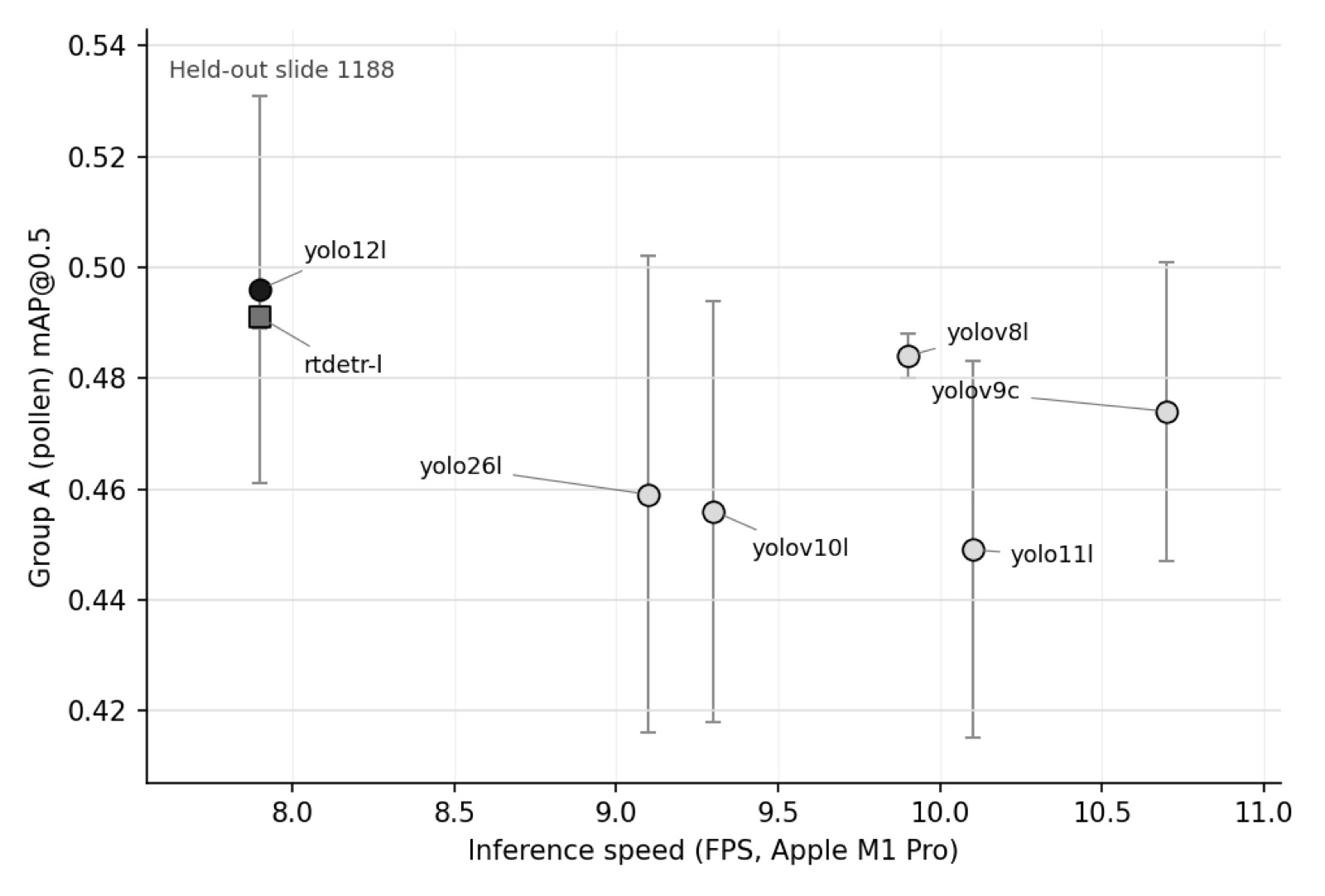
- Released a 22-class detection dataset (3,001 images, 8,460 boxes); benchmarked 7 CNN / transformer detectors across 21 runs under a leakage-free depth-based split.
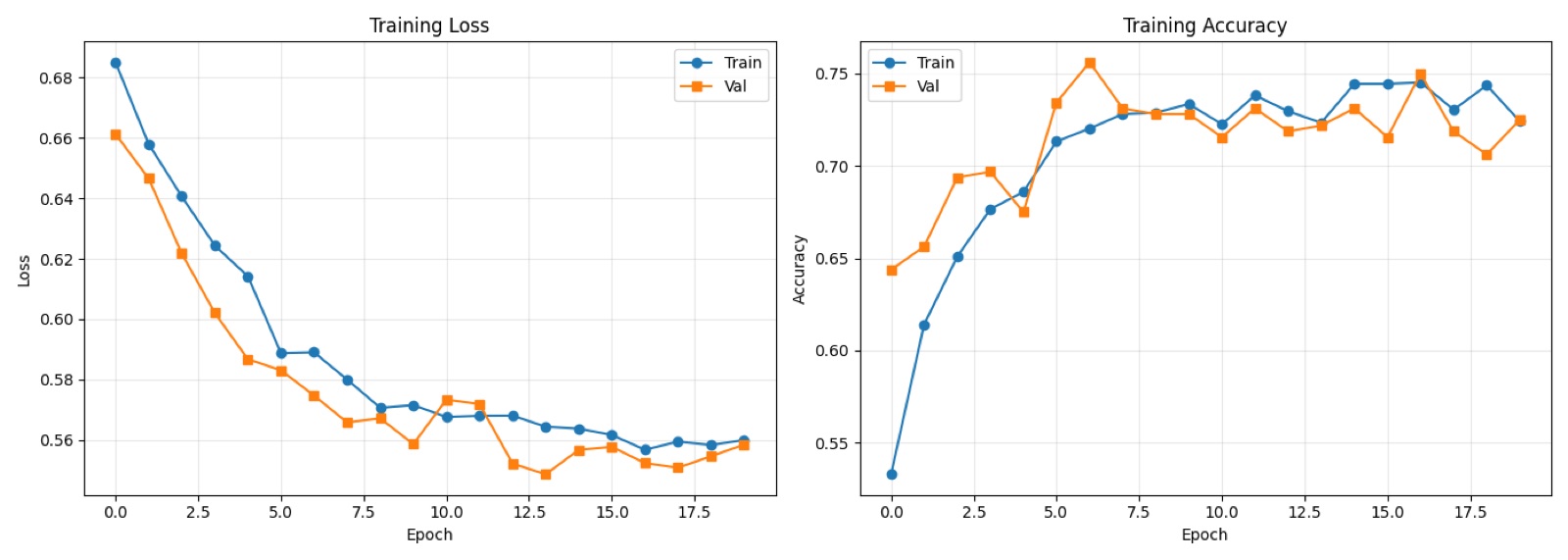
- Trained a ResNet50 classifier for subfossil chironomids on 27,774 specimen images from 57 lakes in 5 countries.
-
May — Aug 2025
Junior ML Engineer, Video Behaviour Recognition
Green Eye Ltd
- Built a 6-class behaviour dataset (~20K labelled frames / clips); benchmarked 10+ CV approaches and 15+ transfer-learning configurations by precision, recall, macro-F1 and confusion matrices.
Publication
Khamkhash, L., Bazenova, A., Rustembekkyzy, K., Balarabe, B. Y. Y., & Atabaev, T. S. (2025). Microwave-assisted synthesis of Gr–ZnO nanorods for solar photocatalytic removal of methylene blue. Materials Advances, 6, 9495–9504. doi:10.1039/D5MA00612K ↗
What I work with.
- Vision
- Object detection, CT segmentation, action recognition, pose estimation, real-time multi-stream video.
- Evaluation
- Leakage-free validation, mAP / Dice / F1, inter-observer agreement, ANOVA and non-parametric tests, McNemar, Bland–Altman.
- Code
- Python, PyTorch, Ultralytics, TotalSegmentator, OpenCV, SimpleITK, nibabel, NumPy, pandas, FastAPI, Git.
- Data
- Dataset design and annotation QC, DICOM to NIfTI pipelines, microscope automation, RTSP streams.